







Understanding the Vehicle Recycling Process After Selling a Damaged Car in Sydney

23
0
·
2026/07/20
·
8 mins read
☕
WriterShelf™ is a unique multiple pen name blogging and forum platform. Protect relationships and your privacy. Take your writing in new directions. ** Join WriterShelf**
WriterShelf™ is an open writing platform. The views, information and opinions in this article are those of the author.
Article info
Categories:
⟩
⟩
Tags:
Date:
Published: 2026/07/20 - Updated: 2026/07/21
Total: 1804 words
Like
or Dislike
More to explore


When a vehicle reaches the end of its useful life, many Sydney owners find themselves uncertain about what happens next. Whether the car has been written off in an accident, suffered severe mechanical failure, or simply aged beyond economical repair, the journey does not simply end at the point of sale. For those who explore cash for damaged cars Sydney services, there is an entire industrial and environmental process waiting on the other side of that transaction. Understanding what unfolds after the handover gives sellers peace of mind, helps them make informed decisions, and sheds light on how the automotive recycling industry contributes meaningfully to environmental sustainability across New South Wales.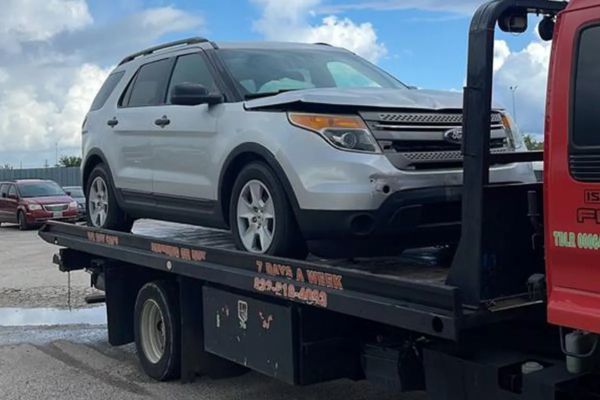
The Point of Sale: Where the Journey Begins
The moment a damaged car is sold to a licenced buyer or wrecking company, a formal transfer of ownership is initiated. In New South Wales, this typically involves completing a Notice of Disposal through Transport for NSW, which legally absolves the previous owner of any further liability for the vehicle. The buyer, usually an automotive recycler or wrecking yard, takes on full responsibility from that point forward.
Reputable operators will conduct an initial vehicle assessment almost immediately after collection. This appraisal determines the salvage value of the car and dictates how it will be processed. Variables considered include the make and model, the age of the vehicle, which components remain functional, and the current market demand for specific parts. A ten-year-old Holden Commodore and a three-year-old Toyota Hilux will follow very different recycling pathways based on parts availability and resale potential.
Depollution: The Critical First Stage
Before any dismantling begins, every vehicle must undergo a thorough depollution process. This stage is not optional. It is a regulatory and environmental obligation that licenced recyclers in New South Wales are required to fulfil before any mechanical disassembly takes place.
During depollution, all hazardous and potentially polluting fluids are carefully drained and contained. This includes engine oil, transmission fluid, brake fluid, power steering fluid, coolant, and air conditioning refrigerant gases. Fuel is also siphoned from the tank and stored appropriately. Airbag inflators and seatbelt pretensioners, which contain explosive pyrotechnic charges, are either safely deployed or removed by trained technicians to prevent injury during later handling. Catalytic converters, which contain trace precious metals, are removed separately for specialist processing.
This stage reflects the broader commitment within the Australian vehicle recycling sector to minimise environmental harm. Improper disposal of automotive fluids is a significant contributor to soil and groundwater contamination, and strict adherence to depollution protocols ensures that wrecking yards operate within the guidelines set by the NSW Environment Protection Authority.
Parts Assessment and Salvage Recovery
Once a vehicle has been fully depolluted, the next phase involves the systematic assessment of recoverable components. This is where the genuine economic value of automotive recycling becomes apparent. A car that appears completely worthless on the surface can yield dozens of functional, resaleable parts that extend the life of other vehicles on the road.
Commonly salvaged components include alternators, starters, power windows motors, door handles, mirrors, tail lights, headlights, radiators, engines, gearboxes, differentials, and steering columns. Interior components such as dashboards, infotainment systems, seat assemblies, and carpet sets are also assessed for quality and marketability.
Each recoverable part is catalogued, tested where possible, and assigned a grade based on its condition. Parts that meet quality standards are cleaned, photographed, and listed for resale through the recycler's parts inventory. Many Sydney wrecking operations maintain online catalogues that allow independent mechanics and private buyers to search for specific components, often at a fraction of the cost of new dealer parts. This parts reuse economy significantly reduces the demand for newly manufactured components, which in turn lowers the carbon footprint associated with vehicle maintenance across Australia.
The Role of Car Removal Sydney Services in the Wider Supply Chain
The efficiency of automotive recycling in Sydney depends heavily on the collection and logistics infrastructure that sits upstream of the wrecking process. Car removal Sydney services form a vital link in this chain, ensuring that damaged, written-off, and end-of-life vehicles are transported from private properties, panel shops, insurance yards, and collision centres to processing facilities without unnecessary delay.
These removal services are typically offered at no charge to the vehicle owner, as the value extracted from the recycling process offsets the cost of transportation. A well-organised removal network means that vehicles do not sit deteriorating in driveways or paddocks, leaking fluids into the soil and creating neighbourhood eyesores. Prompt collection also ensures that the recycling pipeline operates efficiently, with a steady throughput of vehicles moving through depollution, dismantling, and materials processing on a continuous basis.
Many operators running these services are integrated directly with wrecking yards, which streamlines the handover process and reduces handling time. This integration also benefits sellers, who deal with a single point of contact from the initial quote through to final vehicle collection.
Steel Processing and Raw Materials Recovery
After all salvageable parts have been removed, the remaining shell of the vehicle, often called the hulk, is prepared for shredding. At this stage, whatever metal, plastic, glass, and rubber remains is sent through industrial shredding machinery that reduces the hulk to small fragments within minutes.
The resulting material is then subjected to magnetic and eddy-current separation processes that sort steel from aluminium, copper, and other non-ferrous metals. Steel fragments are consolidated into dense bales and sold to steel mills, where they are melted and reformed into new steel products. Aluminium and copper, which carry higher commodity value by weight, are similarly consolidated and processed through specialist smelters.
Steel recycling is one of the most energy-efficient recycling processes in existence. Producing steel from recycled scrap requires significantly less energy than producing it from virgin iron ore, and the process generates substantially lower greenhouse gas emissions. Each vehicle that enters the recycling stream rather than being abandoned or landfilled contributes a measurable reduction in industrial energy demand.
The remaining non-metallic material, often called auto shredder residue, presents a greater environmental challenge. This fraction includes foam, fibres, glass, and mixed plastics. Historically, much of this material ended up in landfill, but Australian recycling technology has advanced considerably, with operators increasingly investing in systems capable of recovering additional value from this residue stream.
Regulatory Compliance and Environmental Accountability in New South Wales
The vehicle recycling industry in New South Wales operates under a layered framework of environmental and consumer protection legislation. The Protection of the Environment Operations Act 1997 governs the management of waste, including automotive waste streams. The Motor Vehicle Dealers Act imposes licencing requirements on those who buy and sell second-hand vehicles and components. Additionally, the National Television and Computer Recycling Scheme and other product stewardship initiatives at the federal level signal the direction in which Australian regulators are pushing industry-wide accountability for end-of-life consumer products, including vehicles.
Frequently Asked Question:
Q. What happens to my personal data when my car is scrapped?
A: This is a question many sellers overlook until after the transaction is complete. Modern vehicles store a surprising amount of personal data, including paired Bluetooth devices, navigation history, stored addresses, home and work locations, contacts synced from mobile phones, and garage door opener codes. Before handing over any vehicle, owners should perform a factory reset of the infotainment system and any connected modules. Most manufacturer handbooks provide step-by-step instructions for this process. If unsure, a dealership or the vehicle's service centre can assist. Reputable recyclers are not responsible for personal data stored in vehicles, so this task rests entirely with the seller prior to handover.
Q. Is it legal to sell a car that is not roadworthy in New South Wales?
A: Yes, it is entirely legal to sell an unroadworthy vehicle in New South Wales, provided certain conditions are met. If the sale is to a licenced motor dealer, wrecker, or recycler, no pink slip or safety certificate is required. The vehicle does not need to be in a driveable condition. Private sales of unroadworthy vehicles to the general public are subject to stricter disclosure obligations, but transactions with licenced automotive recyclers fall outside those restrictions. Sellers should ensure they complete the appropriate transfer of registration documentation through Transport for NSW to avoid any ongoing liability.
Q. How long does the full recycling process take from collection to completion?
A: The timeline varies depending on the age and condition of the vehicle and the specific operations of the receiving facility. In most Sydney wrecking yards, the depollution and initial assessment phase is completed within one to three business days of collection. Parts dismantling can take anywhere from a few days to several weeks, depending on how many components are being salvaged and the demand for those parts. The shredding and materials processing of the hulk typically occurs once the yard accumulates a sufficient volume of stripped shells, which may take a few weeks. From start to finish, the complete recycling of a single vehicle often spans four to eight weeks in practice.
Q. Can I sell a car with outstanding finance to a recycler?
A: This is an important legal consideration. In New South Wales, selling a vehicle that is encumbered by a financial interest without first discharging the debt or obtaining explicit consent from the lender is potentially unlawful. Before approaching any recycler or cash-for-cars service, sellers should check the Personal Property Securities Register to determine whether any security interests are registered against the vehicle. If a financial charge exists, it should be resolved with the lender before the sale proceeds. Many buyers will also check this register independently and may decline to proceed if an encumbrance is found.
The Environmental Contribution of Responsible Vehicle Recycling
The cumulative environmental benefit of the vehicle recycling industry in Sydney and across Australia is substantial. Every tonne of recycled steel reduces the demand on mining operations. Every litre of automotive fluid properly contained and processed avoids potential contamination of waterways and aquifer systems. Every recoverable part sold through a wrecking yard displaces the need to manufacture a new equivalent component.
Beyond the immediate environmental metrics, responsible recycling supports a broader circular economy in which materials are kept in productive use for as long as possible before eventual processing. This principle aligns with Australia's growing commitment to sustainable industry practices and positions automotive recycling as an essential contributor to national environmental outcomes, not merely a commercial service operating at the margins of the transport sector.
For vehicle owners in Sydney facing the prospect of disposing of a damaged, written-off, or end-of-life car, understanding this full recycling journey reinforces the wisdom of choosing licenced, reputable operators. The transaction is not simply the end of a vehicle's story. It is the beginning of a carefully managed process that extracts maximum value, minimises environmental harm, and contributes to a more sustainable automotive ecosystem across New South Wales.