







Choosing the Best Portrait Photography Lenses for Every Shot

4
0
·
2025/12/11
·
4 mins read
☕
WriterShelf™ is a unique multiple pen name blogging and forum platform. Protect relationships and your privacy. Take your writing in new directions. ** Join WriterShelf**
WriterShelf™ is an open writing platform. The views, information and opinions in this article are those of the author.
Article info
Tags:
Total: 870 words
Like
or Dislike
More to explore

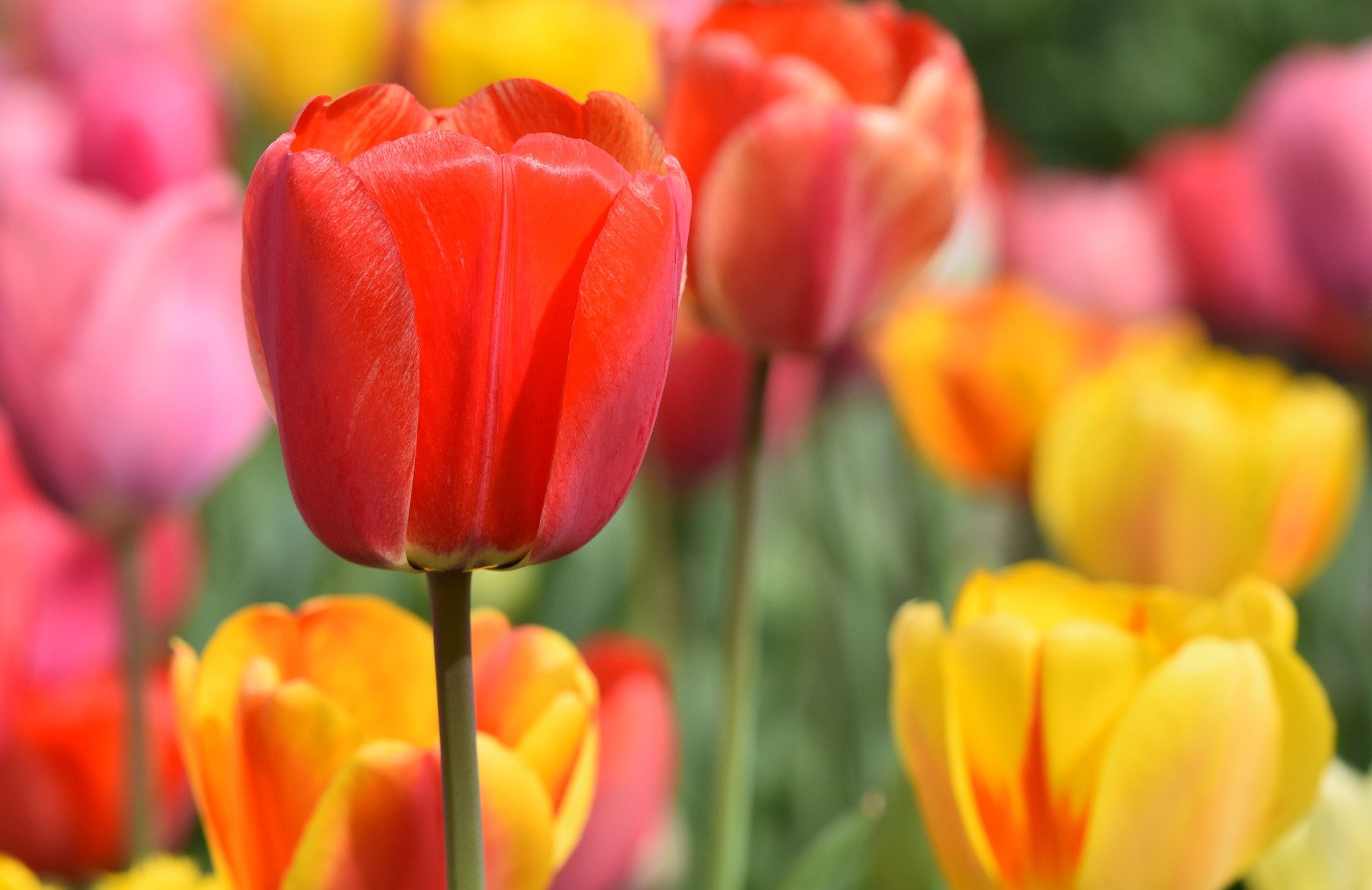
What makes a lens truly good for portraits?
The short answer is that a good portrait lens gives you clean detail, soft background blur, and a focal length that flatters your subject without distortion.
Short Summary
You want a portrait lens that gives sharp detail and smooth background blur.
Most photographers lean toward 50mm, 85mm, or 135mm for a natural look.
A wide aperture helps your subject stand out.
Pick a lens that matches your shooting distance and style.
Key points:
Choose 50mm to 135mm for balanced portraits
Look for f/1.2 to f/2.8 for better background separation
A good lens can improve color, depth, and overall clarity
Why Portrait Photography Lenses Matter So Much
Portrait photography lenses play a big part in how a face, a background, and the overall vibe of a portrait come together. The right lens can turn a simple photo into something that feels planned, clean, and visually balanced. Many people assume the camera handles most of the work, but it’s really the lens that controls depth, compression, and the style your shot ends up having.
A great portrait lens doesn’t need to be expensive. It just needs to balance sharpness and softness in a way that feels natural. That mix is what helps your subject stand out without the background pulling attention away.
What Makes a Lens Good for Portraits
Several traits separate a good portrait lens from an average one:
1. Focal Length
The most common portrait focal lengths are 50mm, 85mm, and 135mm. These lengths avoid distortion, give your subject a natural look, and add flattering compression.
50mm gives you a closer-to-the-eye perspective.
85mm is the classic portrait favorite with a natural, tight feel.
135mm adds stronger background separation and beautiful compression.
2. Aperture
A fast aperture helps create shallow depth of field, which means your subject stays sharp while the background melts away. You’ll see this most with f/1.2, f/1.4, and f/1.8 lenses.
3. Background Blur
Good blur isn’t just about a soft background. It’s about smooth transitions that don’t look harsh or distracting. Portrait photography lenses with better optical design usually produce smoother bokeh.
4. Color and Contrast
Portraits look better when skin tones stay clean and natural. Many lenses handle color differently, so choosing a lens with good rendering helps you avoid heavy editing.
How to Pick the Right Lens for Your Style
Choosing the right lens depends on how you like to shoot. Some people like standing close to their subject for a more connected feel. Others want space for more natural expressions.
If you shoot close-up portraits
Go for 85mm or 135mm. These lenses make facial features look balanced.
If you take environmental portraits
Try 35mm or 50mm. These show more of the scene without making the subject look stretched.
If you love candid portraits
A lightweight 50mm or 85mm works best. It helps you move easily and capture natural moments.
If you prefer dramatic background blur
A fast aperture like f/1.2 or f/1.4 will give you the soft, dreamy look people love in portraits.
Why Lighting and Distance Matter Too
Even the best lens needs good lighting and the right distance. A lens can shape the scene, but light sets the mood. Natural light, soft window light, or a small reflector can change everything without any fancy gear.
Distance also affects how a lens reacts. For example:
A 50mm lens looks natural when you stand a few feet away.
An 85mm looks balanced when you take a step back.
A 135mm works best when you’re even farther, giving a smooth background effect.
Understanding distance helps you get the most out of portrait photography lenses without feeling stuck or confused.
Small Tweaks That Improve Every Shot
You don’t need big changes to make portraits look better. Try these small adjustments:
Ask your subject to angle slightly instead of facing the camera straight on.
Shoot during softer light, like late afternoon.
Keep backgrounds simple so your lens can create clean blur.
Use eye-level or slightly above eye-level angles.
These steps work with any lens and help you stay consistent across different settings.
Conclusion
Portrait photography lenses shape the entire look of your image. They control depth, clarity, and the way someone’s features appear in the frame. Once you understand focal length, aperture, distance, and light, choosing the right lens becomes easier and more intuitive. A well-chosen lens brings your subject into focus while keeping the background subtle and soft. With the right approach, your portraits look cleaner, more intentional, and more expressive—even with simple gear.
FAQs
1. What focal length works best for portraits?
Most photographers prefer 50mm, 85mm, or 135mm because these lengths keep faces natural and avoid distortion.
2. Is a fast aperture necessary for portraits?
You don’t need it, but it helps a lot. A fast aperture like f/1.8 or f/1.4 gives you better background blur and more control over depth of field.
3. Are zoom lenses good for portrait photography?
Yes, if they offer clean optical quality. A 24-70mm or 70-200mm lens can deliver strong results, especially at mid to long focal lengths.
4. Why do portraits look better with prime lenses?
Prime lenses usually offer sharper detail, smoother blur, and better low-light performance compared to many zoom lenses.